

Estimated reading time: 8 minutes
We have all gone through times where we need to take a major decision. And we know very well that it rarely arrives as a clean choice between one obviously good path and one obviously bad path. That would have been perfect, right?
Well, the reality is that the decision arrives as a mixture of incomplete information, competing obligations and imagined futures or traumatic past. Should you accept the position? Leave the partnership? Invest the money? Move your family? Confront the person? Commit to the project? And the list goes one …
If we watch our mind we will see that at first, the mind tries to help. Then it produces a picture of success. Then it produces a picture of disaster. And before long, we are no longer examining a decision. You are moving somewhere between fantasy and dread.
The optimistic version of the fantasy says: If I choose this, everything may finally fall into place.
The catastrophic one says: If I choose wrongly, everything may fall apart.
Neither though tells you what to do next, right?
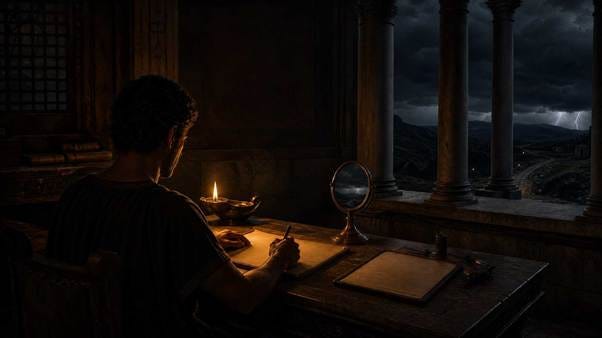
Here come the Stoics. They developed a discipline for precisely this problem. Today it is often called negative visualisation, or premeditatio malorum. That is the deliberate rehearsal of difficulty before difficulty arrives.
We need to be careful here though. This does not mean you frighten yourself with every conceivable possible disaster. Not at all. It means looking directly at a plausible adverse outcome, removing the exaggeration surrounding it, and asking what preparation, response and standard of conduct remain within your power. Remember, you can only change what you can control.
If this practice is used correctly, it does not make you more fearful. It makes fear more specific. Because if we know the enemy then we can defeat it. Keep your friends close, but your enemies closer kind of thing…
